


Key Highlights
- SAS is supporting South African micro-farmers through a Data for Good initiative.
- The project uses data analytics to recommend what crops to grow and when to plant them.
- The initiative aims to improve food security while helping farmers increase their income potential.
SAS is using data analytics to help micro-farmers in South Africa make better farming decisions, with the goal of improving food security and creating more stable income opportunities for small-scale producers.
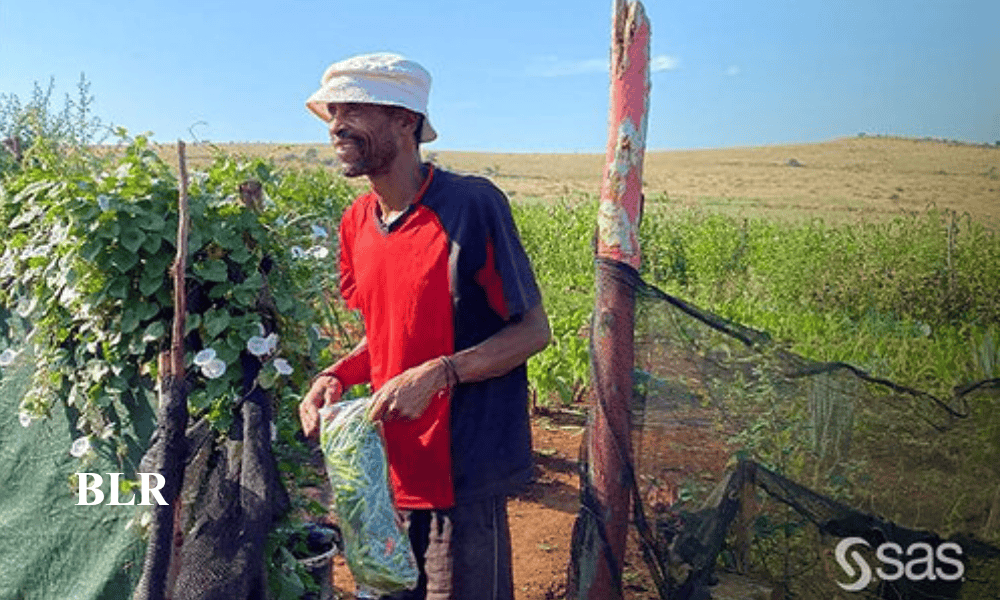
The initiative brings together SAS, data science consultancy dataDecisions.ai, and nonprofit The Dream. Together, the organizations have analyzed farming data from communities located near the Cradle of Humankind, a UNESCO World Heritage Site northwest of Johannesburg.
Many of the farmers involved cultivate small plots of land near their homes or informal settlements. They often face limited access to technology, financing, and reliable markets, making it difficult to plan production and generate consistent returns.
Data Helps Farmers Make Better Planting Decisions
As part of the project, the team examined crop performance across four growing seasons, looking at growth cycles, expected yields, seasonal patterns, and market prices.
The analysis was used to identify which crops offer better returns, when they should be planted, and how much should be cultivated based on available resources.
Rather than relying on expensive sensors or advanced digital infrastructure, the recommendations are built around data analysis that can be applied even in resource-constrained farming environments.
The approach is intended to help farmers use limited resources such as water and labour more efficiently while reducing uncertainty around crop selection and harvest outcomes.
Supporting Food Security Through Smarter Farming
Micro-farming plays an important role in supporting household incomes and local food supplies across many parts of South Africa. However, small-scale farmers often struggle with changing market prices, unpredictable harvests, and limited access to buyers.
The partners behind the initiative believe better data can help address some of these challenges by giving farmers practical insights before each growing season.
By identifying crops that offer stronger profitability and greater resilience, the project aims to help farmers move beyond subsistence farming and participate more consistently in local markets.
The initiative also demonstrates how artificial intelligence and analytics can benefit smaller farming communities, not just large commercial agricultural businesses.
“If we are serious about building a more resilient food system, micro-farmers must be treated as essential contributors to the formal economy, not as an afterthought,” said Hadley Christoffels.
Christoffels added that farmers working in areas where food insecurity is most immediate need access to better data and decision-making tools to make the best use of their available resources.